




"Can I just turn off the phone, without turning off the curiosity?"
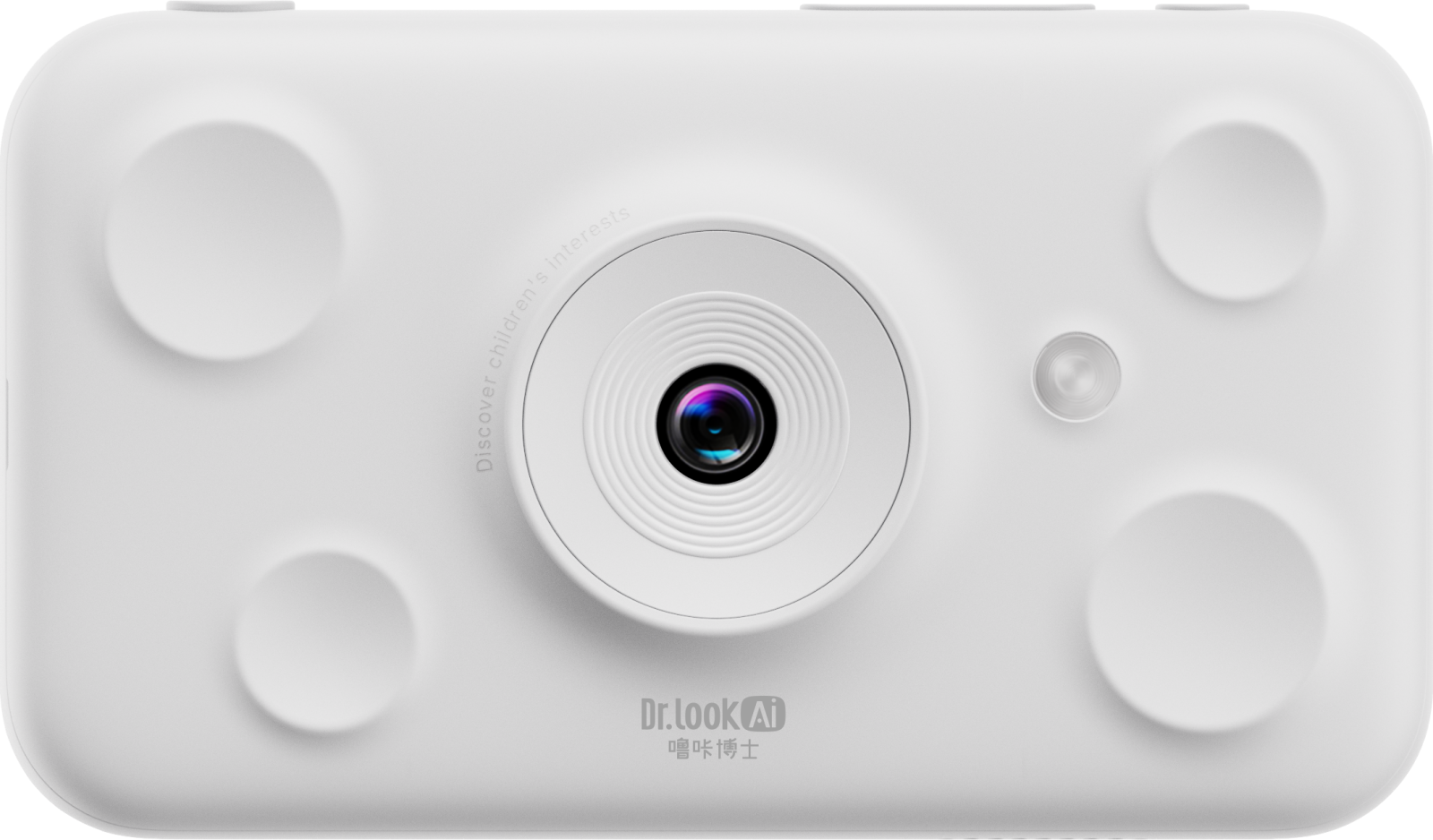
We're dads too. We've lived that exact moment — a kid glued to a phone, and the first instinct when they ask "why?" is a search bar instead of looking up at the world. So we built something: AI inside a camera, so kids can point, ask, and get a real answer about the real world.
a tech company's
product launch.
It's a few dads
solving their own
problem.
Every "why?" deserves a real answer
It started with a late-night conversation between a few dads. We all have kids, and we'd all lived the same scene: a kid holding onto a phone, refusing to let go, and the first instinct when they ask "why?" is a search engine — not looking up at the world around them. We didn't want to confiscate the phone, because that just sets up the next fight. But we also didn't want our kids' curiosity stolen by algorithms and an endless scroll.
As fathers, we reached a consensus: technology shouldn't be the enemy of getting kids off screens — it should be the tool that gets them there.
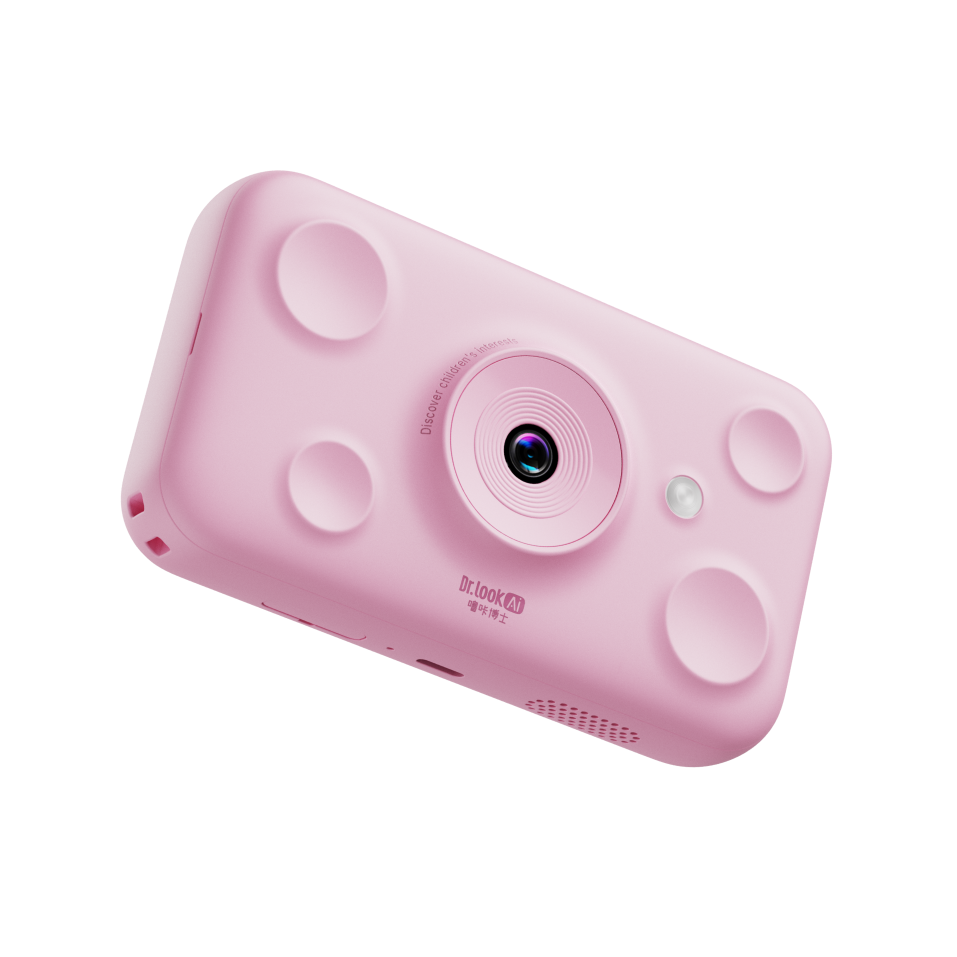
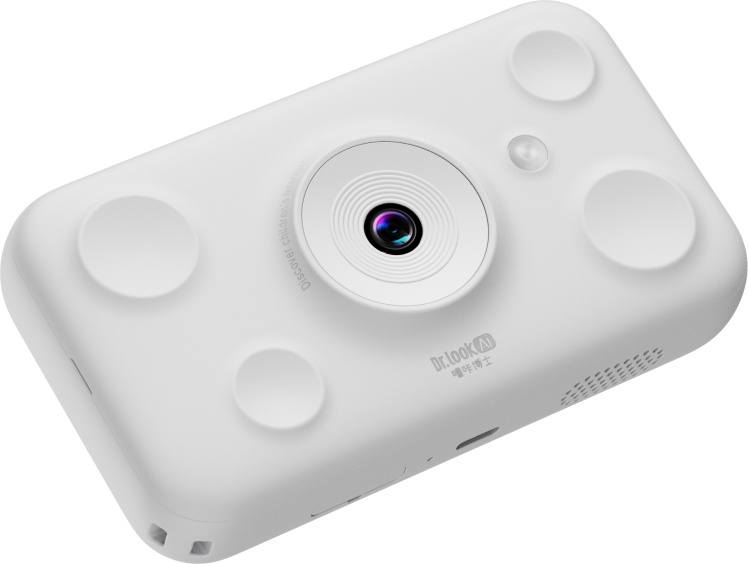
So we built the first prototype — a camera a kid could wear around their neck. Point it at anything, ask a question out loud, and get a fun, reliable answer back — no phone to unlock, no random content to scroll into, no ads interrupting.
order kids use it in.
No shortcuts,
no extra steps.
From picking up the camera to a real conversation
Point
Aim it at anything that catches their eye: a leaf, a toy car, a cloud shaped like something weird.
Ask
Kids ask their question out loud, in their normal voice — no typing, no hunting for buttons.
Discover
An age-friendly answer comes back, plus a small question or challenge that keeps the curiosity going.
assume what
parents wanted.
We went and asked.
The line that came up most in our research:
"I want to know what my kid actually saw"
Once the prototype existed, we didn't rush to launch it.
We spent time in real parenting communities on Reddit, listening to what moms and dads were actually frustrated about. One thing kept coming up: parents want to know what's happening when their kid uses a smart device — not to spy on them, but to feel at ease.
So parental controls and weekly recaps became part of the product.
cross-cultural
marriages.
Some of us are
immigrants.
We built this
for that.
Point at something, learn the word for it
Language shouldn't live on flashcards. It should live in real life.
We gave Dr.Look AI one more skill: point at anything, and it gives you the word in another language on the spot. The apple in the kitchen, the couch in the living room, the pigeon at the park — they all become a bilingual vocabulary lesson, without ever carving out separate "language study" time.
We believe multicultural understanding isn't a chapter in a textbook — it's the world a kid runs into every day.
ads we shot.
They're real
parents hitting
record.
We won't say it. Let real families say it
this is the one
thing we
won't compromise
on.
Privacy isn't a feature.
It's a baseline.
Never shared with third parties
Your child's usage data is never shared with or sold to any third party or advertiser.
One-tap permanent delete
Parents can delete all of their child's data, anytime — local and cloud alike — with one tap. Deleted means deleted, with no backups left behind.
Content filtering at the source
Violence, sexual content, manipulative language, and anything else unsuitable for kids is filtered out of every AI response — it can't be coaxed into producing it.
No open web, no ads
Kids can't open a browser, land on social content, or get interrupted by ads. Every bit of exploration stays inside a safe boundary.
kids to have it.
Not just
the ones whose
families can
afford it.
Getting it to places price shouldn't block
We're donating Dr.Look AI Cap to children's hospitals
Not every family is in a place to buy a toy right now. Some kids are in a hospital bed, and what they need isn't a discount code — it's something small that can pull them out of the room for a moment and get them curious about the world again. So we're donating units directly to hospitals treating kids.
We want every U.S. state to see it
Not necessarily on a store shelf. Maybe a corner of a children's library, maybe the entrance of a museum exhibit — anywhere a kid asks "what is that?" deserves something that can give a real answer. We want Dr.Look AI Cap to become a quiet companion for more families, more often.
a big company's
budget. But we
showed up with
a real product.
From a garage chat to an international booth
questions we
get asked the
most.
Still on the fence? Here are the answers
Tablets are passive — kids sit, tap, and scroll. Dr.Look AI Cap flips that: your kid points it at something real, asks a question, and gets an answer on the spot. No YouTube, no ads, no rabbit holes — just curiosity turned into a learning moment.
Safety was our starting point, not something bolted on afterward. There's no open web browsing, no social features, no ads, and no data resale of any kind. Parents can permanently delete all of their child's data with one tap, anytime.
The kid who asks ten "why?" questions before breakfast. It works especially well for ages 3-10, hands-on learners who get bored with passive screens, and families who want their kids exposed to a second language.
Every object gives a different answer, so it doesn't get repetitive the way a game does. Combine that with a reward system, an AI companion kids can talk to, and the fact that it travels anywhere — most kids keep picking it back up on their own. We also back it with a 45-day, no-questions-asked return window.
Start the first million questions.
Starter
- camera + wrist strap
- Best for everyday curiosity at home and on the go.
- Free shipping · 45-day returns · 1-year warranty
Explorer
- camera + wrist strap + kid-friendly earphones
- Great for travel, quiet time, and independent learning.
- Free shipping · 45-day returns · 1-year warranty